
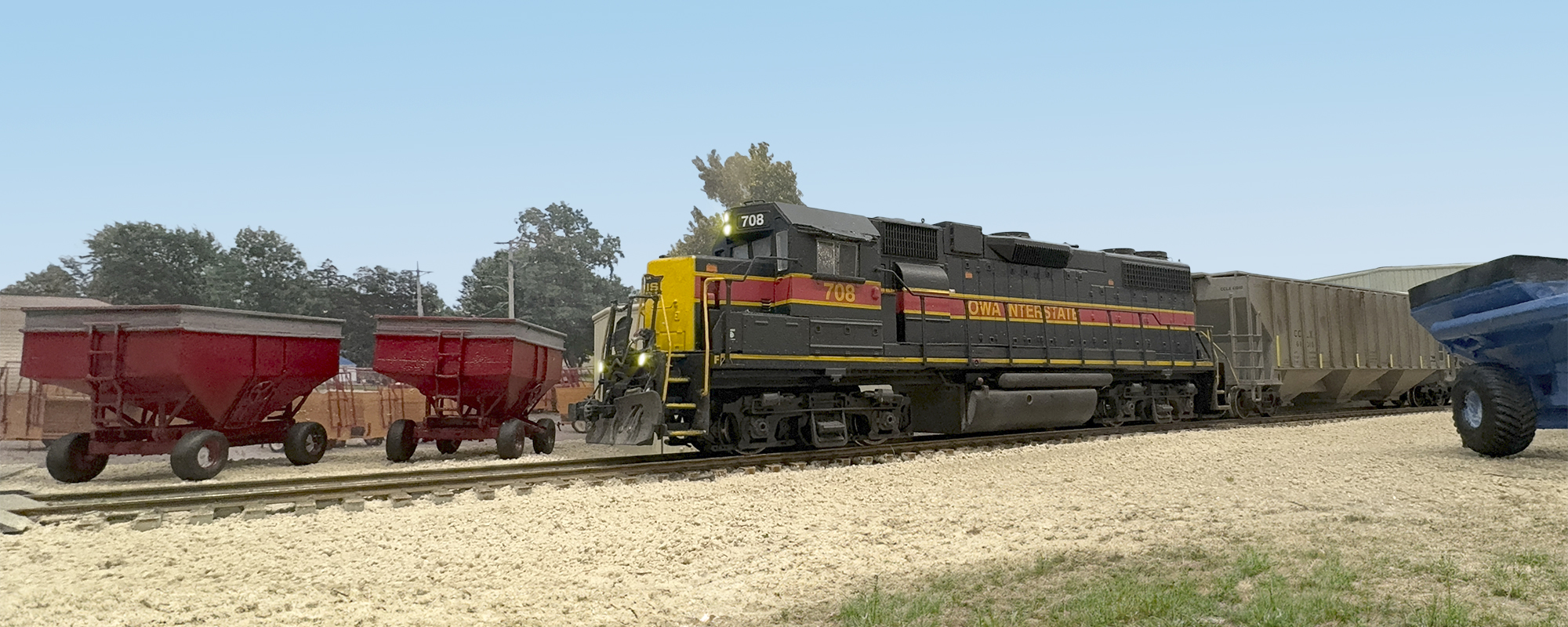

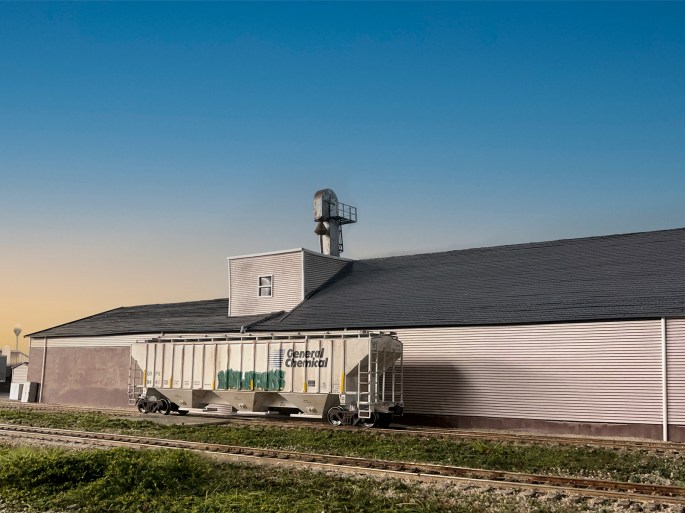
The current trend of AI-generated winter model railroad scenes has me thinking about photography and how we share our layouts with the world. As someone who maintains multiple platforms to showcase The Hills Line, I’m always looking for ways to improve the quality of the images I share while staying true to the spirit of model railroading.
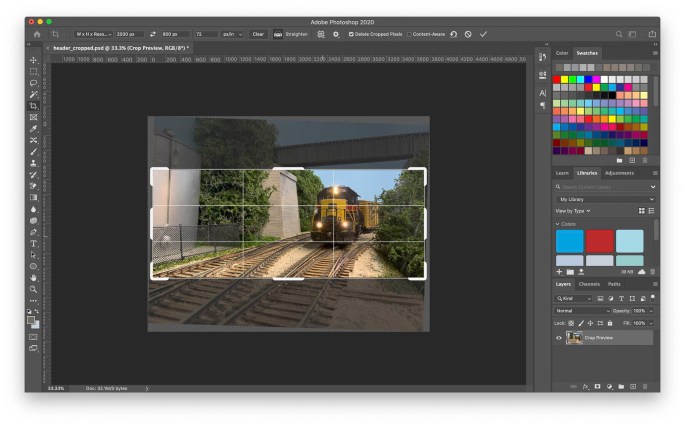
For years, I’ve used some form of digital enhancement in my photography workflow, most notably in background removal via Photoshop. Today’s photo editing toolkits have become remarkably sophisticated, with programs promising to enhance sharpness, remove noise, and even intelligently fill in missing elements of a scene.

I’ve found those tools genuinely useful in specific applications. Noise reduction algorithms can salvage shots taken in the lower lighting conditions we often work with on our layouts. When you’re trying to capture that golden hour glow along the Maiden Lane interchange but don’t want to crank the ISO into unusable territory, modern AI noise reduction can be a lifesaver.
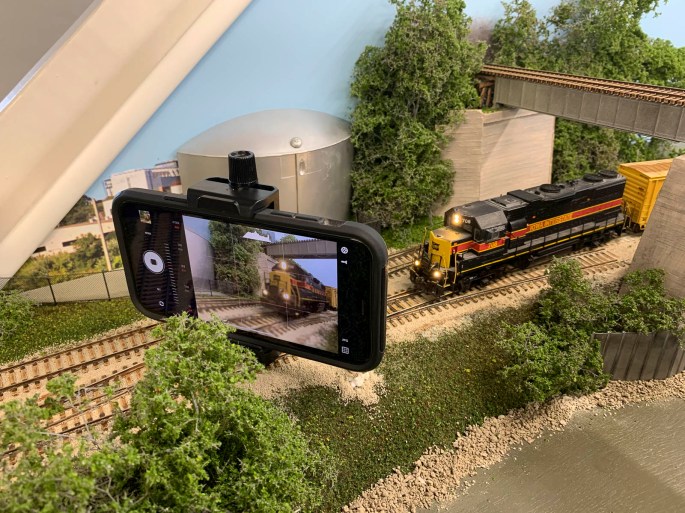
Ultimately, these programs are no different than any other tool in my photography workflow. It’s there to solve specific technical problems, but it doesn’t replace the fundamental work of creating good lighting, composing effective shots, and building scenes worth photographing in the first place.
However, that doesn’t mean we can’t occasionally enjoy the benefits of technological innovation. It is somewhat cool to see what’s possible these days…
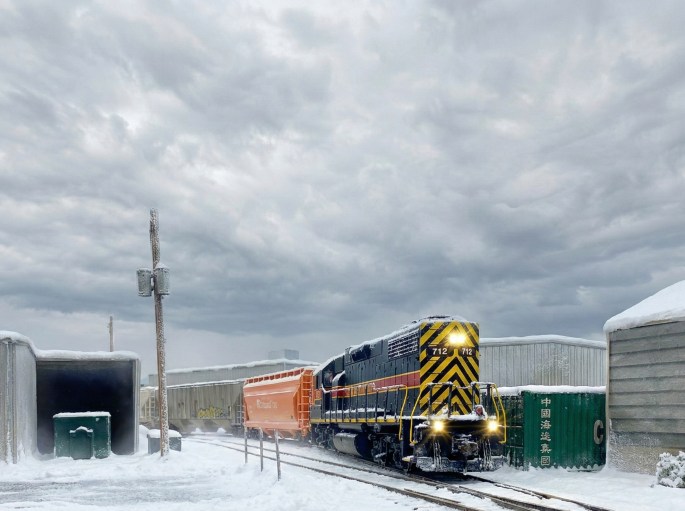
 The Hills Line